

Imagine your family home, the cornerstone of your legacy, at risk from rising care costs or Medicaid recovery rules. For most aging American’s, elder law trends in 2026 make housing a focal point for protection. With 50% of retirees facing long-term care expenses exceeding $100K annually, downsizing and strategic planning are essential.
At J. Davenport Legal, we specialize in safeguarding your home through elder law tools. What are elder law trends for housing in 2026? They include evolving Medicaid rules and downsizing as a key strategy for asset protection. This article explores these trends and how downsizing fits your plan. Why downsize for asset protection? It frees equity while shielding from look-back penalties—read on to secure your home.
What shapes elder law in 2026? Medicaid expansions tighten 5-year look-back rules, disqualifying recent asset transfers, while housing costs rise 5%. The Elder Law Journal’s October update notes 60% of seniors underprepare for care, risking home loss. How does this affect you? Without strategies, your primary asset could fund nursing care ($100K/year), leaving little for heirs. Downsizing emerges as a proactive trend, converting home equity into protected savings.
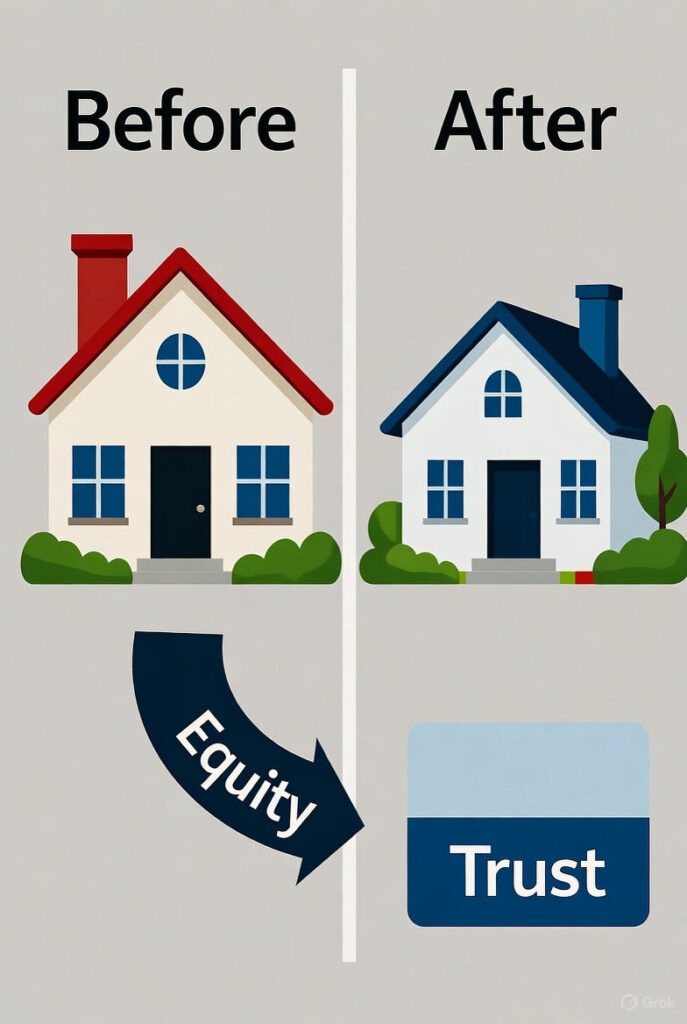
What is downsizing in elder law? Selling your larger home and buying or renting smaller, freeing $200K+ in equity for trusts or annuities. Why in 2026? With home values up 3-5%, it maximizes gains while reducing maintenance (saving $10K/year). For asset protection, transfer proceeds to an irrevocable trust, exempt from Medicaid recovery. Our clients use this to maintain lifestyle while safeguarding legacies.
How does downsizing protect assets? It converts illiquid home equity into flexible funds, placed in trusts to avoid probate (4-7% costs) and Medicaid spend-down. 2026 advantages? Equity funds HSAs or LTC insurance, covering 15% of retirement budgets. Steps: Appraise home, select smaller property, fund trust—our $400 service handles deeds nationwide. Risks? Emotional ties; we guide with compassionate reviews.
| Strategy | Benefit | Step in 2026 |
|---|---|---|
| Downsizing | Free $200K+ equity | Appraise/sell by Q4 |
| Irrevocable Trust | Shields from Medicaid look-back | Transfer proceeds post-sale |
| LTC Insurance | Covers $100K/year care costs | Fund with equity before Dec 31 |
| Medicaid Planning | Avoids home recovery | 5-year look-back compliance |
| Probate Avoidance | Saves 4-7% fees | Deed to revocable trust |
Is downsizing right for me? If maintenance burdens outweigh space needs, yes—consult for personalized fit. Cost of planning? Starts at $400, saving thousands. Our 30+ years ensure smooth transitions.
Elder law trends make housing central to asset protection—downsizing unlocks equity without loss. Don’t risk 50% of retirees’ fate. Ready to explore? Schedule a free consultation below.
John F. Davenport, founder of J. Davenport Advisors/Davenport & Associates and J. Davenport Legal in Norwalk, CT, is a licensed attorney in New York and Connecticut. As an experienced estate planning attorney and financial advisor, he has spent more than 30 years guiding clients through revocable living trusts, asset protection planning, Medicaid strategies, and tax-efficient wealth transfer, while also providing investment advisory and retirement income planning services to help families secure both their lifetime needs and their legacy for their heirs.